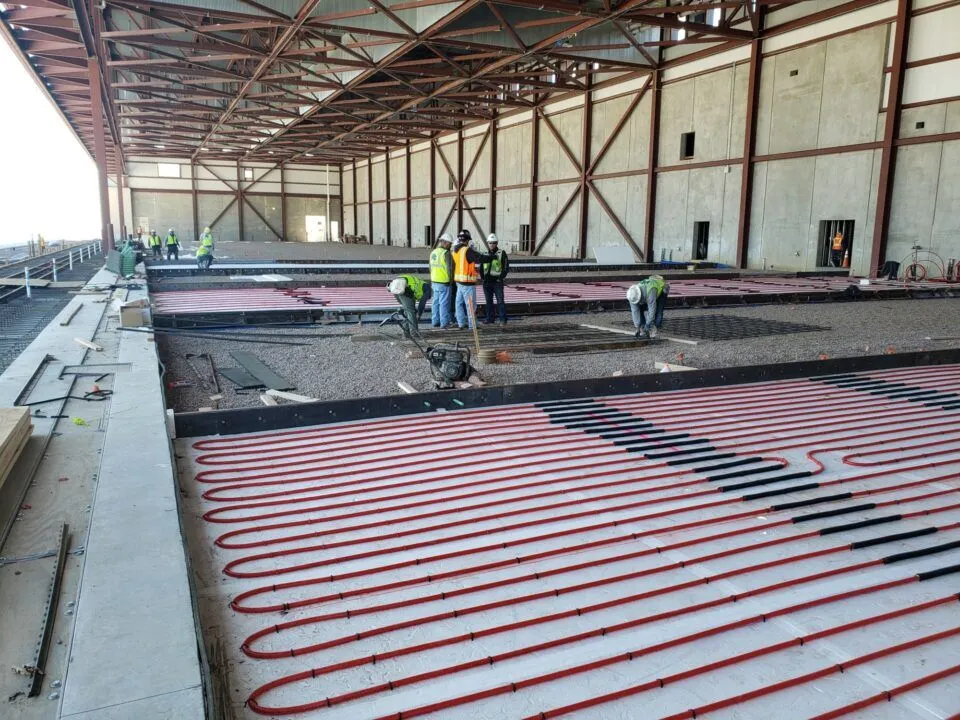
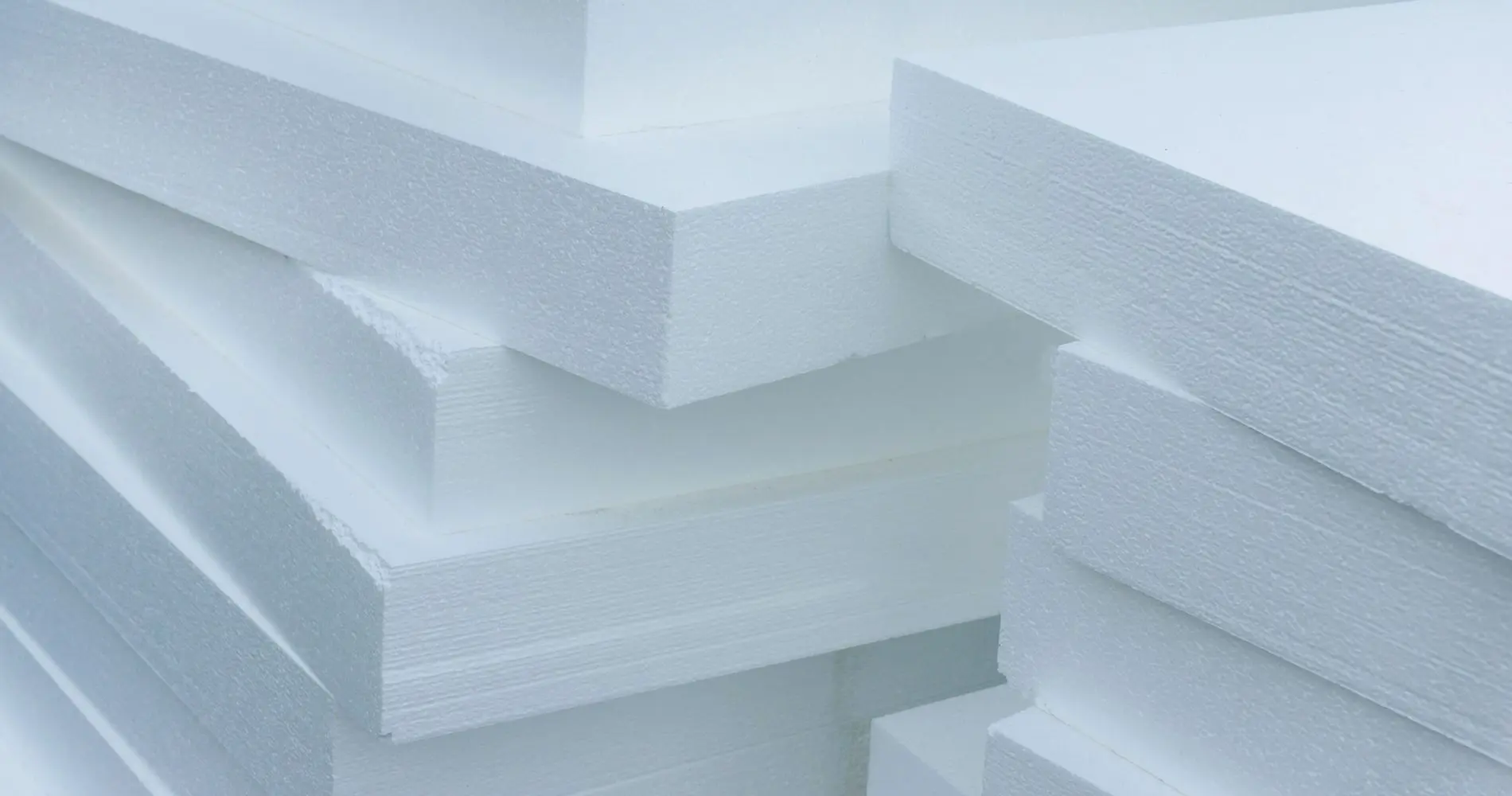
Both can be used. EPS comes in 10 to 60 psi, costs less for the same R-value and keeps a stable R-value. XPS has a higher R-value per inch and reaches higher strengths. Match the psi to your slab load and compare prices. See under-slab insulation.
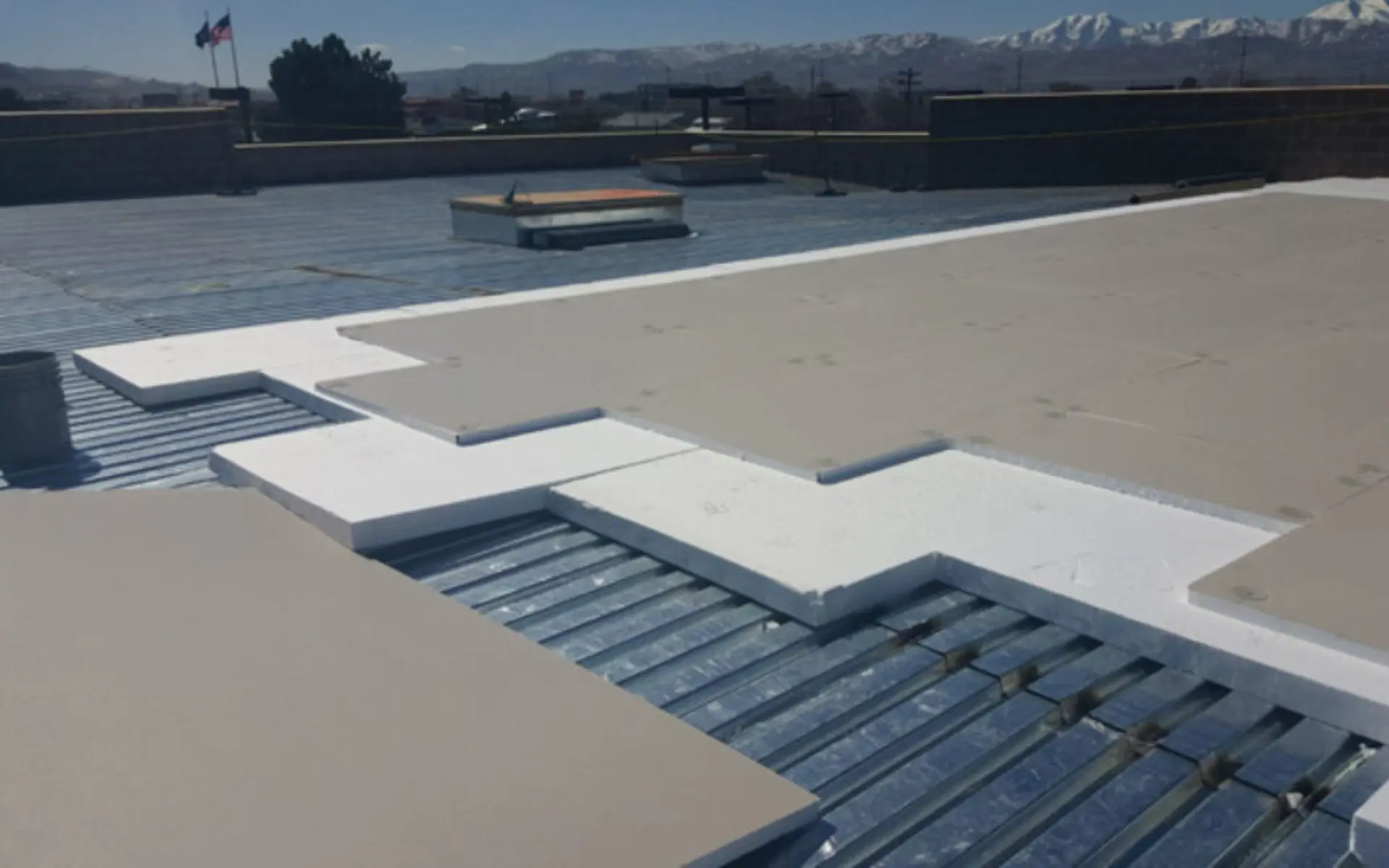

EPS, XPS and polyiso are all rigid foam boards, and each has a place. EPS gives the most R-value per dollar and keeps its R-value over time. Polyiso gives the most R-value per inch above a roof deck. XPS reaches the highest compressive strengths.
The table below compares them using manufacturer literature. We supply EPS and polyiso for most construction work, and we will tell you plainly when another foam is the better fit. Roofing? See EPS roof insulation and polyiso roof insulation. Slabs? See under-slab insulation.
EPS gives the highest R-value per dollar, holds its R-value over time, and is available in custom sizes, thicknesses and strengths.
Polyiso gives about R-5.7 to R-6 per inch on flat roof boards, so you need less thickness for the same R-value.
XPS has a higher R-value per inch than EPS and strengths up to 100 psi, which can matter for very heavy loads. We can quote it when your plans call for it.
Figures come from Insulfoam's EPS and XPS comparison sheet, the Cellofoam EPS flute fill sheet, and the Rmax and Atlas polyiso data sheets. Manufacturers update specifications, so confirm current values before you order.
| Feature | EPS | XPS | Polyiso (roof boards) |
|---|---|---|---|
| R-value per inch | R-3.9 to R-4.6 | R-4.6 to R-5.0 | About R-5.7 to R-6.0 (LTTR) |
| R-value over time | Stable, no thermal drift | Decreases as gases diffuse out | Rated by LTTR, a 15-year average |
| Thickness available | Up to 40 in | Up to 4 in | Up to 4.5 in in the data sheets |
| Compressive strength | 10 to 60 psi | 15 to 100 psi | 20 to 25 psi (roof boards) |
| Cost for the same R-value | Highest R-value per dollar | Moderate | Higher than EPS |
| Moisture | Dries well in long-term cycling tests | Lower short-term absorption, retains moisture longer | Keep dry before and during installation |
| Custom sizes and tapers | Yes | Standard sizes | Flat and tapered panels |
| Common uses | Roofs, flute fill, slabs, walls, geofoam | Heavy-load slabs, below grade | Above-deck roof insulation |
Sources: Insulfoam EPS vs. XPS comparison, Cellofoam EPS data sheets, Rmax Multi-Max FA-3 and Atlas ACFoam-II data sheets.
Insulfoam notes that EPS typically costs up to 30% less per board foot than XPS for the same R-value, and Cellofoam reports EPS flute fill can cost up to 40% less than polyiso flute fill. Read the Insulfoam EPS vs. XPS sheet and the EPS Industry Alliance R-value retention study.
Both can be used. EPS comes in 10 to 60 psi, costs less for the same R-value and keeps a stable R-value. XPS has a higher R-value per inch and reaches higher strengths. Match the psi to your slab load and compare prices. See under-slab insulation.
Polyiso gives more R-value per inch, which helps where depth is limited. EPS usually costs less and keeps a stable R-value. Many roofs use either one. We can price both. See tapered roof insulation and EPS flute fill.
Insulfoam and the EPS Industry Alliance report that EPS keeps a stable R-value because it is not made with gases that leave the foam. XPS R-value decreases as those gases diffuse out.
Polyiso, at about R-5.7 to R-6.0 per inch for flat roof boards. XPS follows at R-4.6 to R-5.0, and EPS at R-3.9 to R-4.6.
EPS gives the highest R-value per dollar, according to Insulfoam and Cellofoam literature. Request a quote and we will price the options for your job.
Need something specific?
We specialize in custom foam solutions tailored to your exact specifications.
Don't settle for less. Contact us now for a free quote and take advantage of our competitive pricing.
Contact us today for a free quote and discover how Source Mountain Supply can meet all your foam needs.
Hi! Ask me about our EPS insulation, foam packaging or stretch wrap, delivery, or how to get a quote.